15 Faceless YouTube Channel Ideas
Most people do not need more content ideas. They need a cleaner monetization structure.
That is especially true with faceless YouTube. A channel can get views and still go nowhere if the traffic is broad, the audience intent is weak, or there is no clear path from video to email capture to offer. So instead of treating faceless youtube channel ideas like a creativity exercise, it makes more sense to treat them like system design.
A good faceless channel is not just easy to produce without showing your face. It also creates content that attracts the right kind of viewer, builds trust without personality-based branding, and connects naturally to a simple monetization path. That is where leverage comes from.
What makes faceless YouTube channel ideas worth building
Not every niche works well in a faceless format. Some depend heavily on charisma, lifestyle signaling, or constant reactive posting. That is the wrong fit if your goal is privacy, stability, and long-term digital income.
The stronger faceless YouTube channel ideas usually share three traits. First, they solve a specific problem or support a clear interest. Second, they lend themselves to search-based traffic or repeatable topic clusters. Third, they can connect to an offer without forcing a hard sell.
If a channel idea only produces random curiosity clicks, monetization gets harder. If it attracts viewers with specific intent, you can build a cleaner bridge to affiliate recommendations, digital downloads, templates, or a low-ticket product.
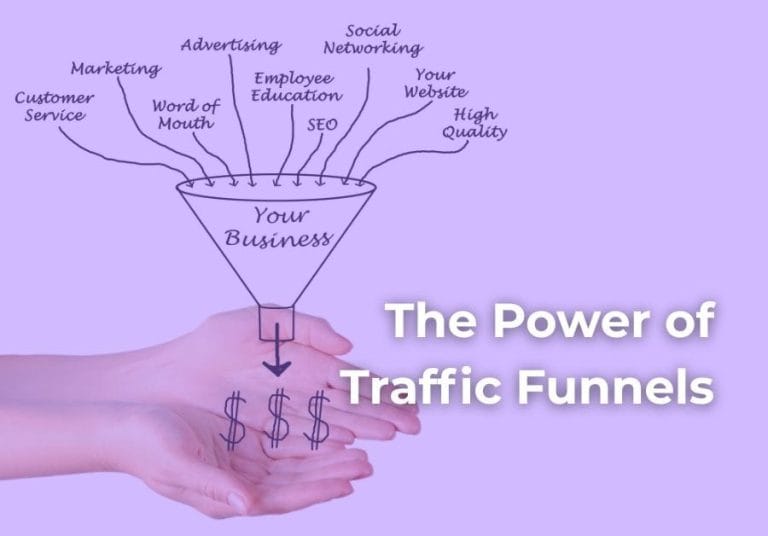
The system behind a profitable faceless channel
Before picking a niche, define the flow.
Traffic comes from searchable videos, suggested video loops, or both. Capture usually happens through a simple lead magnet, resource, template, checklist, or mini-guide linked in the description. Monetization happens after that through affiliate products, a starter offer, or a structured funnel that matches what the viewer came for in the first place.
This matters because YouTube ad revenue alone is rarely the best first model for a small faceless channel. It is inconsistent early on and puts too much pressure on view volume. A better approach is to build videos around problems that already have downstream buying intent.
15 faceless YouTube channel ideas with real monetization logic
1. Software tutorials for one specific tool category
This works well when the channel stays narrow. Think email platforms, project management tools, design software, budgeting apps, or AI writing tools used in a practical way. The viewer is often already comparing options or trying to solve a defined problem.
That creates clean affiliate potential, especially when the videos are honest and comparison-based. You can also offer setup templates, checklists, or workflow guides.
2. Digital organization and productivity systems
This niche performs best when it moves beyond generic motivation. A better angle is structured workflows for Notion, Google Drive, task planning, or weekly review systems.
The monetization path is strong because people who want structure often buy templates. The content can also support affiliate tools, but the higher leverage often comes from digital downloads.
3. Personal finance explainers
Not flashy finance content. Clear, faceless educational videos on budgeting methods, debt payoff frameworks, credit basics, sinking funds, or expense tracking can build steady search traffic.
This niche requires care and accuracy, but the intent is strong. Budget templates, calculators, printable trackers, and select financial tool partnerships fit naturally.
4. Career and job search guidance
A faceless channel can do very well with resume strategy, interview preparation, job board tutorials, LinkedIn profile walkthroughs, and remote work systems.
The logic is simple. The viewer has a pressing problem and often wants immediate help. That supports templates, downloadable scripts, job search planners, or practical affiliate tools.
5. Study systems and academic workflows
This is a solid niche if the content focuses on process instead of personality. Videos on note-taking methods, exam planning, research organization, or digital study setups can perform well year-round.
Monetization can include study templates, printable planners, flashcard tools, and focused software recommendations.
6. Book summary channels with a framework angle
This works better when the channel is selective and practical. Instead of summarizing random bestsellers, organize the content around themes like decision-making, habits, money, communication, or focus.
The viewer is often looking for distilled insight. That can connect to reading lists, summary notes, or products that help them apply the ideas.
7. Home and apartment organization
Faceless content in this niche can use voiceover, stock footage, slide-based visuals, or screen-led planning examples. The key is to solve specific problems such as closet systems, kitchen storage, cleaning routines, or small-space layout planning.
Affiliate recommendations fit well here, but keep them curated. Too many product mentions weakens trust.
8. Meal planning and simple cooking systems
This is less about becoming a food personality and more about reducing decision fatigue. Content around budget meal planning, freezer prep systems, grocery list frameworks, or themed weekly menus can build loyal viewership.
Digital products often outperform ad revenue here. Meal planners, printable trackers, and prep guides are a natural fit.
9. Niche history or educational explainers
This category can work well if the niche is tight enough. Broad history channels are harder to differentiate, but channels focused on forgotten industries, business case studies, architectural history, or the history of specific technologies can stand out.
Monetization is weaker if the content stays purely informational, so this model often depends more on ads, memberships, or carefully matched sponsors later on.
10. Calm tech literacy for beginners
A lot of people want basic guidance without being talked down to. Videos explaining cloud storage, password managers, privacy settings, device cleanup, browser basics, or online safety can attract steady search traffic.
This niche has practical affiliate options and strong trust potential. Simplicity is the advantage.
11. Printable and planner walkthroughs
If you already create planners, trackers, journals, or educational printables, YouTube can act as the discovery layer. The videos do not need to be complex. Walkthroughs, use-case examples, setup demos, and planning routines are enough.
This model is clean because traffic and product are tightly aligned. The viewer sees the asset in use before buying it.
12. SEO and content research channels
This fits people who like systems more than performance. Videos can cover keyword research workflows, content planning, blog structure, search intent, or low-complexity traffic systems for small creators.
The monetization path can include templates, audits, affiliate tools, and educational products. It is a strong fit for quiet operators because the subject naturally attracts builders.
13. Affiliate product research and comparison
This is one of the better faceless youtube channel ideas if you are disciplined. The content should be structured, specific, and genuinely useful. Think side-by-side software reviews, problem-based recommendations, or buyer’s guides for a narrow category.
The risk is obvious. If every video feels like a sales page, trust drops. The fix is clear criteria, honest trade-offs, and fewer but better recommendations.
14. Digital business systems for creators
There is room for channels that explain lead magnets, email setup, simple funnels, digital product delivery, and content-to-offer alignment without turning into marketing theater.
This niche has strong monetization logic because the viewer is already trying to build something. At Miss K Digital, this is the kind of category that supports long-term leverage when the channel leads into structured resources rather than random content.
15. Ambient education and visual explainers
Some faceless channels work through simple animation, whiteboard visuals, or text-led storytelling. This format is useful for explaining psychology concepts, business models, systems thinking, or social patterns.
It can be effective, but production time is the trade-off. If the editing load is too high, consistency breaks. This model works best when the format is templated.
How to choose the right faceless channel idea
Start with the overlap between three things: what you can explain clearly, what people search for consistently, and what can connect to a real offer.
That third part gets ignored too often. A channel about random trivia may get views, but it is harder to build a stable income system around it. A channel about software setup, budgeting, digital organization, or career tools may grow slower at first, but the monetization path is far cleaner.
It also helps to choose a format you can sustain quietly. If every video requires ten hours of editing, the system may be too heavy. If the process can be templated with research, script, voiceover, and basic visuals, you are more likely to keep publishing without burnout.
Common mistakes with faceless YouTube
The biggest mistake is picking a niche based on CPM rumors instead of buyer intent. High ad rates do not matter much if the content is hard to produce or the audience does not trust recommendations.
The second mistake is building content without a capture point. If a viewer likes your video and leaves with no next step, the system resets every time. Even a simple free resource can stabilize the path from traffic to email to offer.
The third mistake is copying so-called automation channels that treat content like a volume game. That can work for some operators, but it often leads to generic videos, weak trust, and short-lived results. A smaller channel with tighter topic alignment can outperform a larger one when the funnel makes sense.
If you want a faceless YouTube channel that lasts, do not ask which niche gets the most views. Ask which niche lets you build a repeatable content system, attract specific intent, and connect that attention to something useful people actually want. That is quieter than chasing trends, but it compounds better.