7 Best Funnel Builders for Beginners
Picking a funnel builder sounds simple until you open five tabs, compare twenty features, and still have no idea what actually matters. If you are looking for the best funnel builders for beginners, the real question is not which platform has the most tools. It is which one helps you build a clear path from traffic to email capture to offer, without creating more moving parts than your system needs.
That distinction matters, especially if you are building quietly and do not want to rely on daily content, personal branding, or constant platform changes. A funnel builder is not the business. It is the structure that connects attention to monetisation. If the tool makes that structure easier, it is useful. If it distracts you with design options and bloated features, it becomes another form of procrastination.
What beginners actually need from a funnel builder
Most beginners do not need advanced split testing, deep CRM logic, or a stack of ten automations on day one. They need a simple way to create a landing page, collect email addresses, deliver a lead magnet, and move people towards a relevant offer.
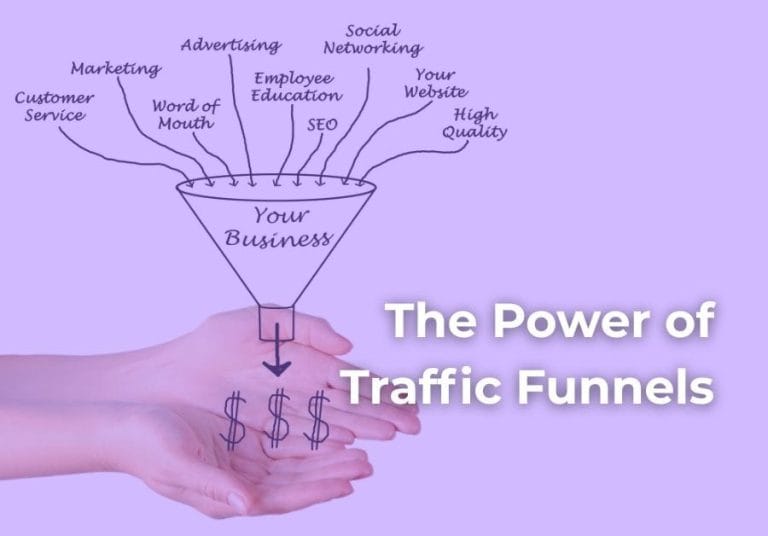
That is the system logic. Traffic comes from somewhere steady, usually search, Pinterest, short-form discovery, or niche content. The funnel captures that traffic with one specific promise. Then the email sequence and offer do the monetisation work. The builder sits in the middle, holding that structure together.
For this reason, the best beginner tools tend to share a few traits. They are easy to learn, reasonably priced, flexible enough to grow with you, and not so complex that you avoid using them. There is always a trade-off between simplicity and control. The right choice depends on whether you value speed, customisation, built-in email tools, or lower monthly costs.
7 best funnel builders for beginners
1. Systeme.io
For most beginners, Systeme.io is the strongest starting point because it keeps the stack simple. You can build pages, collect emails, run automations, host a basic course, and manage sales pages in one place.
The main benefit is reduction of decision fatigue. You do not need separate tools for every small task, which matters when you are still learning funnel logic. The editor is not the most polished on the market, but it is functional and easier to maintain than a more fragmented setup.
The trade-off is design flexibility. If you are highly particular about visual customisation, you may find it limiting. But if your goal is to launch a lead magnet funnel and build a stable email asset, it does the job well.
2. ConvertKit
ConvertKit is often framed as an email platform first, and that is accurate. Its landing pages and forms are simple, clean, and well-suited to creators who care more about list-building than flashy page design.
This makes it a strong option for beginners building a writing-led or search-led business. If your traffic strategy relies on articles, free resources, or topic-based opt-ins, ConvertKit helps you capture and segment subscribers without much technical friction.
Its weakness is full funnel depth. You can build a basic funnel, but it is not the best choice if you want more advanced sales page layouts or complex checkout logic inside one platform. It suits people who want a clean email-first system, not a heavily customised sales machine.
3. Leadpages
Leadpages is a practical middle-ground tool. It is built for landing pages and lead generation, and it does that job well. The templates are solid, the setup is straightforward, and beginners can usually get something live without much fuss.
If your priority is converting cold traffic into email subscribers, Leadpages is strong. It also integrates with common email tools, which makes it useful if you already know which autoresponder you want to use.
Where it becomes less ideal is all-in-one simplicity. You will likely still need separate tools for email automation, course delivery, or more advanced funnel behaviour. That is not a problem if you prefer a modular stack, but it does mean more pieces to manage.
4. ClickFunnels
ClickFunnels is one of the better-known options in this space, but name recognition is not the same as beginner fit. It can absolutely build funnels, checkouts, upsells, and sales sequences. The issue is that it often gives beginners more firepower than they need.
If you are selling multiple products quickly and already understand offer sequencing, it can make sense. But many newer users end up paying for complexity before they have stable traffic or a clear conversion path.
This is the classic beginner trap: choosing a tool for future scale instead of current clarity. ClickFunnels is not bad. It is just often too much too soon.
5. Kartra
Kartra sits in a similar category to ClickFunnels, with a stronger all-in-one positioning. It includes pages, email, memberships, automations, and analytics. On paper, that sounds efficient.
In practice, beginners can find it heavy. There is more to configure, more to learn, and more places to get stuck. If you like having one platform for everything and you are willing to spend time learning it properly, Kartra can work.
But if your current goal is to set up one simple lead funnel and one low-friction offer path, it may feel like using enterprise software to make a cup of tea.
6. MailerLite
MailerLite is underrated for beginners who need a low-cost, low-noise entry point. Like ConvertKit, it is more email-centred, but it now includes landing pages, forms, and simple automations that are enough for a basic funnel.
This makes it a good option for side builders who want to start with one lead magnet, one welcome sequence, and one affiliate or digital product pathway. It is especially useful if your monetisation model is still being defined and you do not want to overcommit to expensive software.
The main limit is scale and sophistication. If you later want deeper sales funnels, checkout flows, or advanced branching logic, you may outgrow it. Still, for a calm first system, it is a sensible choice.
7. Framer with an email platform
This is the slightly contrarian option. Framer is not a traditional funnel builder, but for some beginners it can be the better choice if brand simplicity and page quality matter more than built-in funnel gimmicks.
Paired with an email platform like ConvertKit or MailerLite, Framer lets you build fast, clean pages that feel more like a proper site than a drag-and-drop funnel template. That can matter if your traffic strategy relies on trust, readability, and a quieter brand presence.
The downside is setup. Because it is not one all-in-one system, you need to connect the pieces properly. For some people, that is annoying. For others, it creates a cleaner long-term stack.
How to choose the best funnel builder for beginners
The easiest way to decide is to match the tool to your current business stage, not the business you imagine having in two years.
If you need one simple platform that does most things, Systeme.io is usually the best place to start. If email is your core asset and you want simplicity, ConvertKit or MailerLite make more sense. If landing pages are the main need and you already have email sorted, Leadpages is a clean choice. If you already understand product ladders and sales flow, ClickFunnels or Kartra may be worth the higher complexity.
The deeper question is where your leverage comes from. If your growth plan depends on compounding traffic into an email list and then into affiliate offers, digital downloads, or a core product, your funnel builder should support that pathway clearly. It should not force you into constant redesigns or unnecessary tech work.
What most beginner reviews get wrong
A lot of software reviews compare features in isolation. They talk about templates, buttons, drag-and-drop editors, and integrations as if those are the whole decision.
They are not. The better question is whether the tool helps you maintain alignment between traffic, capture, and monetisation. A beautiful page builder is not helpful if it slows down implementation. A powerful automation suite is not useful if your offer structure is still vague. More features can reduce leverage if they scatter your attention.
That is why this topic fits directly into the 3-Step Invisible Income System. Your builder sits inside the capture layer of the system, but it only works properly when the traffic source and monetisation path are already defined. Choosing the platform without defining the system first is how people end up rebuilding everything three months later.
A practical starting point
If you want the shortest path to execution, pick one tool that feels manageable, build one opt-in page, connect one email sequence, and attach one relevant offer. That is enough to test your funnel logic.
You do not need a complex dashboard. You need a structure that works quietly in the background and can improve over time. For most people, that means favouring clarity over cleverness.
If you want the full structure behind that setup, the 3-Step Invisible Income System is the best next place to start. It maps how traffic, funnel design, and monetisation fit together so you can choose tools based on system logic, not marketing noise.
A good funnel builder should make your business simpler to run, not harder to understand.