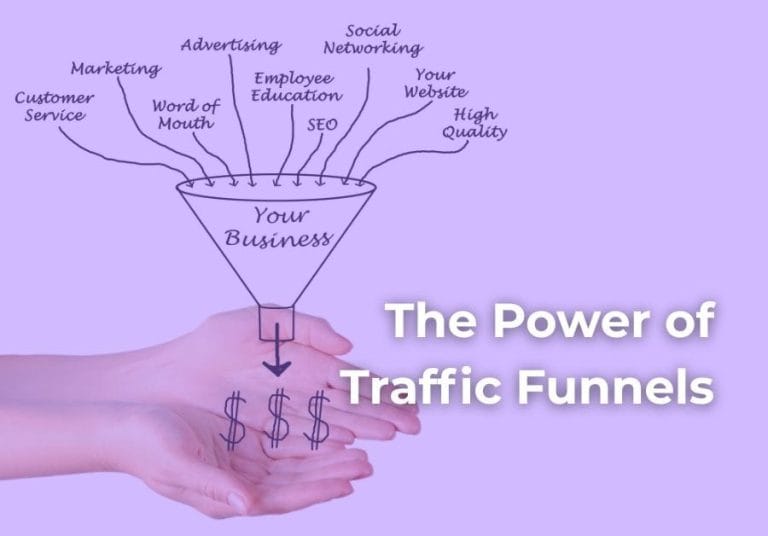
A Digital Download Funnel Example That Works
Most digital download offers do not fail because the product is bad. They fail because the structure around the product is vague. Traffic lands in the wrong place, the opt-in does too much, the offer is disconnected from the next step, and the whole thing relies on more content to cover weak funnel logic. A strong digital download funnel example is less about clever copy and more about alignment.
If you want a faceless, low-noise income system, this matters. A digital download should not sit on its own like a lonely product page waiting for strangers to care. It should sit inside a defined path where traffic, email capture, product intent, and monetisation all support each other.
A practical digital download funnel example
Let’s use a simple example. You create a paid Notion template for content planning aimed at solo digital creators who want more structure and less chaos. It sells for $19. On its own, that can work, but it is rarely stable. The stronger version is a funnel with five connected stages.
Stage one is search-based traffic. Instead of posting daily and hoping for reach, you publish articles designed around specific intent, such as content planning systems, creator workflow templates, or weekly planning frameworks. The goal is not broad visibility. The goal is qualified visitors already looking for a structured solution.
Stage two is a lead magnet that matches the paid product, not a random freebie. In this example, that could be a free one-page content mapping worksheet. It helps the reader define their categories, publishing rhythm, and weekly workflow. It solves a small but immediate part of the same problem.
Stage three is the thank-you page or immediate post-opt-in page. This is where many funnels become messy. Instead of saying “check your inbox” and ending the interaction, you present a low-ticket offer while intent is still active. That offer is the paid Notion template for $19, positioned as the implementation tool for the worksheet they just requested.
Stage four is a short email sequence. Not seven days of generic nurturing. Just a clear sequence that helps the subscriber use the free worksheet, understand the gap between planning and execution, and see why the template saves time. If they do not buy the template, the sequence can still warm them towards a broader offer.
Stage five is the long-term monetisation layer. This is where leverage comes from. Inside the emails and product ecosystem, you can recommend aligned tools through ethical affiliate links, or move buyers towards a larger system product. The digital download is not the whole business model. It is an entry point.
Why this digital download funnel example works
The reason this structure works is simple. Each step answers the question created by the previous one.
A search visitor wants a solution. The article gives context and direction. The worksheet helps them clarify the problem. The template helps them implement the fix. The email sequence supports use. The affiliate or core offer extends the result.
That is funnel logic. No disconnected freebie. No random tripwire. No offer stack built from whatever happened to be finished that week.
It also suits people who do not want to build around personality. If your system depends on you showing up constantly to explain, reassure, and persuade, it is not really a system. It is a manual sales process wearing automation clothes.
A good funnel reduces that dependency. It lets the asset do more of the work quietly.
The traffic and monetisation connection
This is the part people often skip. They build a download, add a checkout link, and call it passive income. But passive is not a starting point. It is a result of structured traffic and clear conversion paths over time.
For this kind of funnel, search traffic is often the cleanest fit because it brings in people with defined intent. Pinterest can support it as well if the content and offer are tightly matched. Cold social traffic can work, but it usually needs stronger proof and more testing, which adds complexity.
Monetisation should also match intent. If someone downloads a planning worksheet, the next paid step should help them plan faster or implement more consistently. Recommending an unrelated product might create a short-term click, but it weakens the system.
This is where many quiet businesses lose compounding power. They focus on adding more offers instead of strengthening the path between one solved problem and the next.
What to include in the funnel assets
The product matters, but so does the shape of the assets around it. Your article should target one narrow problem and lead naturally into the free download. The opt-in page should make one promise, not five. The thank-you page should present the paid product as the next logical tool, not a hard pivot.
Your email sequence should do three jobs. First, help them use what they downloaded. Second, show the cost of staying with a manual or messy process. Third, introduce the paid product in practical terms.
For example, instead of saying the template will transform their business, say it will cut setup time, centralise planning, and reduce repeat decisions each week. Calm claims convert better when the audience is tired of inflated promises.
If you use affiliate monetisation, keep it close to the workflow. A template funnel might naturally include recommendations for email software, checkout tools, design platforms, or productivity tools. The rule is simple: if the tool helps the customer get the result faster or with less friction, it belongs. If it is there just because the commission is attractive, it does not.
Common mistakes in a digital download funnel example
The first mistake is leading with the paid product too early, before trust or context exists. This can work with very warm traffic, but colder search traffic usually needs a small step first.
The second is creating a freebie that attracts the wrong person. Broad freebies get broad leads. Broad leads rarely convert well. If your paid download helps with email welcome sequences, your lead magnet should not be a general productivity checklist.
The third is overbuilding. You do not need twelve emails, three upsells, and a complicated automation map to sell a low-ticket digital product. More moving parts often means more maintenance and less clarity.
The fourth is forgetting what the entry offer is for. A digital download can generate direct revenue, yes, but its strategic role is often qualification. It helps identify who wants a practical solution and who is likely to buy a larger framework later.
How this fits into a long-term system
This is exactly where the 3-Step Invisible Income System becomes useful. A digital download funnel is not just a sales sequence. It sits inside a larger structure: attract the right traffic, capture demand with an aligned asset, then route that demand into a monetisation path that compounds over time.
Without that structure, most people keep rebuilding from scratch. They make a new freebie, test a new platform, rewrite the product page, then wonder why nothing stabilises. The issue is usually not effort. It is missing architecture.
A well-built digital download funnel can become one of the simplest assets in your business. It can bring in leads, fund tool costs, validate demand, and segment buyers for future offers. That is useful whether your goal is affiliate revenue, digital product sales, or a deeper educational offer.
If you want the complete structure behind this, the 3-Step Invisible Income Blueprint lays out how to connect traffic, capture, and monetisation into one quiet system. It is a practical next step if you are trying to stop collecting tactics and start building something that holds together.
The useful question is not whether a digital download can sell. It is whether the funnel around it reduces friction, qualifies buyers, and creates leverage after the first purchase. That is where long-term income starts to stabilise – not from more noise, but from better structure.