Beginner Automation Setup Guide That Makes Sense
Most people do not need more tools. They need a cleaner sequence.
That is the real point of any beginner automation setup guide. If your traffic, email capture, follow-up and offer are not connected properly, automation just speeds up confusion. For a privacy-first business model, especially one built without personal branding, the goal is not to automate everything. It is to automate the right handoffs so the system keeps moving even when you are offline.
If you are burnout-prone, introverted, or simply tired of posting every day to stay visible, this matters. A calm business runs on structure, not constant output. Automation helps when it reduces decision fatigue, protects your time, and supports a funnel that makes sense from first click to monetisation.
What a beginner automation setup guide should actually help you build
A lot of beginner advice treats automation like a pile of disconnected apps. Set up an email platform here, a form there, maybe a scheduler somewhere else, and hope it works out. That is usually how people end up with five subscriptions and no clear system.
A better way to think about automation is simple: someone arrives, takes one action, and the next step happens without you manually pushing it forward. That is the entire job.
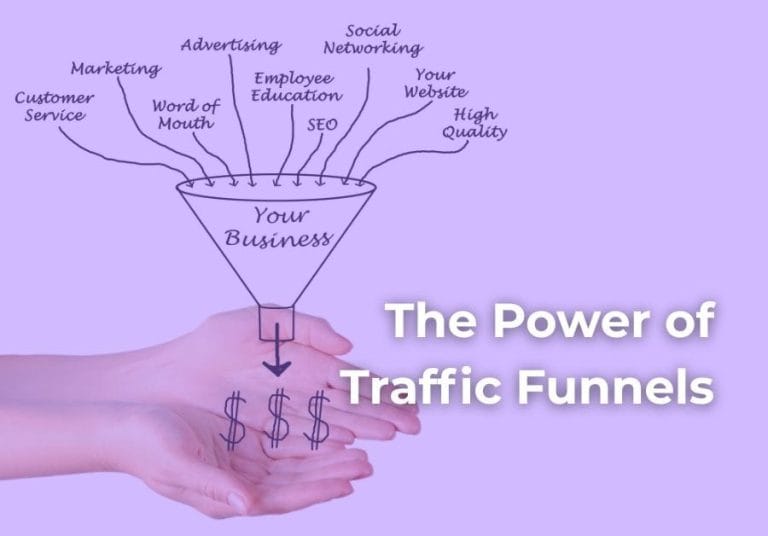
For most small digital businesses, the basic flow looks like this: traffic reaches a page, the page offers a useful next step, the lead is captured, an email sequence begins, and the sequence points toward an offer that fits the original problem. If one part is missing, the system leaks. If the logic is off, conversion drops even if the tools are technically working.
That is why automation should be built around funnel alignment, not software excitement. The leverage does not come from having more integrations. It comes from removing repetitive decisions and creating one stable path that compounds over time.
Start with the sequence, not the software
Before choosing tools, define the minimum path you want a new visitor to take. This is where most beginners overcomplicate things because they try to map a whole business before they have a functioning entry point.
You only need four things to begin. First, one traffic source. Second, one lead magnet or free resource. Third, one email sequence. Fourth, one relevant offer. That offer might be an affiliate recommendation, a digital product, or a low-ticket entry product, but it needs to match the original intent of the visitor.
For example, if someone lands on a page because they want help setting up a simple online income system, the next step should not be a vague newsletter signup. It should be a clear resource that helps them structure the system. Then your follow-up emails should continue that conversation and lead to a practical solution. This is where many faceless businesses quietly outperform louder ones – the path is tighter.
In the Miss K Digital ecosystem, this is exactly where the 3-Step Invisible Income System fits. It works as the structured entry point, not just another freebie, because it defines the logic of the system before someone starts stacking random tactics.
The simplest beginner automation setup
A practical beginner automation setup usually needs just three core tools: a page builder or funnel platform, an email platform, and a payment or product delivery tool. In some cases, one platform can handle two or even all three. That is often the better choice early on.
The trade-off is flexibility versus simplicity. An all-in-one tool is easier to manage and reduces setup errors, but it may be less customisable later. A modular stack gives you more control, but beginners often create unnecessary friction by stitching together too many moving parts before they understand the flow.
If you are starting from scratch, prioritise these functions over brand names:
- A landing page that can collect email addresses reliably
- A thank-you page that tells the person what to do next
- An automated email sequence triggered by signup
- A way to deliver the promised resource immediately
- A clear path from email content to a relevant offer
That is enough to create useful automation. You do not need advanced branching logic, complex tagging systems, or ten different pipelines. Those can come later if they support actual business needs.
Beginner automation setup guide for a quiet funnel
The most effective automation for beginners is usually invisible to the customer. It feels clear, not clever.
Step 1: Define the entry point
Choose one traffic source and pair it with one specific problem. This could be Pinterest traffic to a checklist, SEO traffic to a blueprint, or a simple resource page connected to a niche article. What matters is alignment.
If the traffic is broad but the lead magnet is vague, conversions tend to stay weak. If the traffic intent is specific and the free resource solves the immediate next problem, the automation has a stronger chance of doing its job quietly in the background.
Step 2: Build the capture page
Your capture page does not need personality-heavy copy. It needs clarity. Explain what the person gets, who it is for, and what happens after signup.
Avoid stuffing the page with multiple calls to action. A beginner setup works best when there is one decision to make. Enter email, receive the resource, move to the next step.
Step 3: Set the first automation trigger
When someone subscribes, one thing should happen immediately: they receive the promised asset. This sounds obvious, but it is where many systems break. Delayed delivery, broken links, or confusing confirmations create friction right at the point of trust.
Then start a short email sequence. Three to five emails is enough for most beginner funnels. The sequence should reinforce the original problem, provide useful context, and introduce the next offer naturally.
Step 4: Connect follow-up to monetisation
This is where automation becomes business infrastructure rather than admin support. Your emails should not just “nurture” in a vague sense. They should move people toward a relevant decision.
If you recommend an affiliate tool, explain why it fits the system and who it is actually for. If you sell a digital resource, show how it shortens the implementation path. Ethical affiliate monetisation works best when the recommendation is a logical extension of the problem the person already wants solved.
Step 5: Test the full path yourself
Run through the process as if you are the lead. Check the page, the form, the delivery email, the follow-up timing, and the offer path. Most automation issues are not dramatic. They are small breakpoints that quietly reduce trust or conversion over time.
This is also where you will notice if the system feels clean or cluttered. If the experience feels messy to you, it will feel messier to a cold visitor.
Common setup mistakes that create more work later
The first mistake is automating before defining the offer path. If you do not know what the system is moving towards, the automation becomes noise.
The second is overbuilding. Beginners often create tags, branches, segments and workflows that they do not yet need. It feels productive, but it usually adds maintenance without adding leverage.
The third is tool stacking. If you need a diagram to explain how your basic lead capture works, the setup is probably too complex. Simplicity is not laziness here. It is stability.
The fourth is poor traffic-to-offer alignment. You can have a technically perfect automation and still get weak results if the audience enters at the wrong point or receives the wrong next step.
How to know your automation setup is working
You do not need a full analytics obsession to evaluate a beginner system. You need a few grounded signals.
Are people opting in at a reasonable rate? Are they receiving the asset immediately? Are your emails being opened? Are clicks reaching the offer page? Are people taking the next step without needing manual explanation?
If the answer is no, the fix is rarely “add more automation”. More often, it is adjusting the message, simplifying the path, or tightening the offer match.
A good setup feels boring in the best way. It runs. It captures. It follows up. It monetises without needing your attention every hour.
Where this fits in a long-term income system
A beginner automation setup is not the whole business. It is the first stable layer. Once this layer works, you can improve traffic quality, strengthen the offer stack, and refine conversion points over time.
That is the compounding part many people miss. Quiet digital income is not built by chasing new tactics every week. It is built by defining one functional system, then improving the leverage inside it.
If you want the full structure behind that process, the 3-Step Invisible Income System is the most useful next step. It lays out how traffic, capture, and monetisation connect so you are not building automation in isolation.
The point is not to automate your way out of work. It is to build a business that does not collapse every time you step away from your screen.